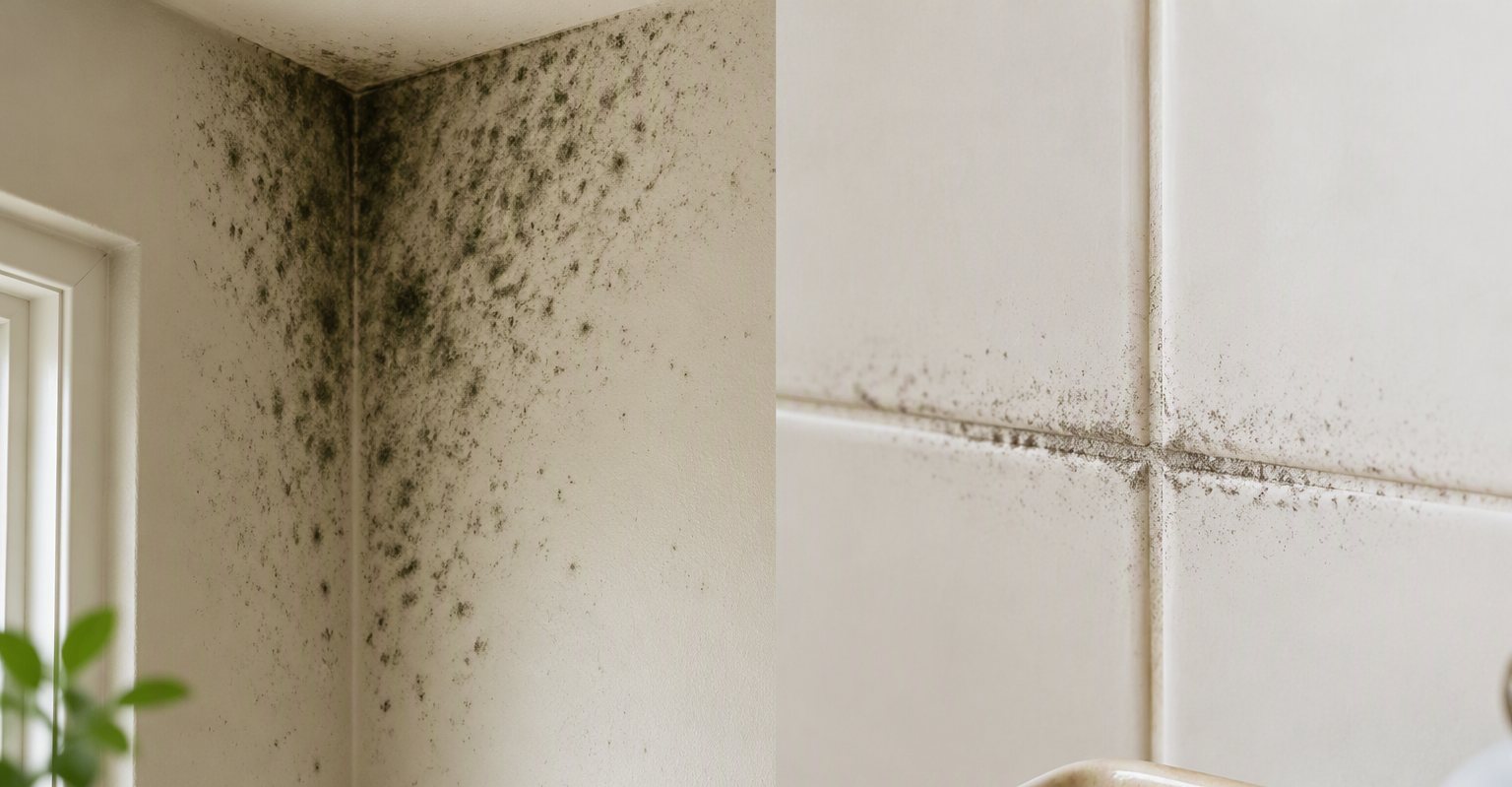
Mildew and mold are both fungi, but they behave differently in a house. Mildew lives on the surface — flat, powdery or slightly fuzzy, gray-white turning brown. Mold roots into the material — textured, spotty or streaky, green-black-blue, and it keeps coming back darker after each cleaning. That root system is the whole difference.
The four field tells
- Texture: flat and powdery usually means mildew; raised, slimy, or fuzzy-with-structure leans mold.
- Regrowth: mildew wipes off and stays off (if you fix the moisture); mold returns to the same spot, often within weeks.
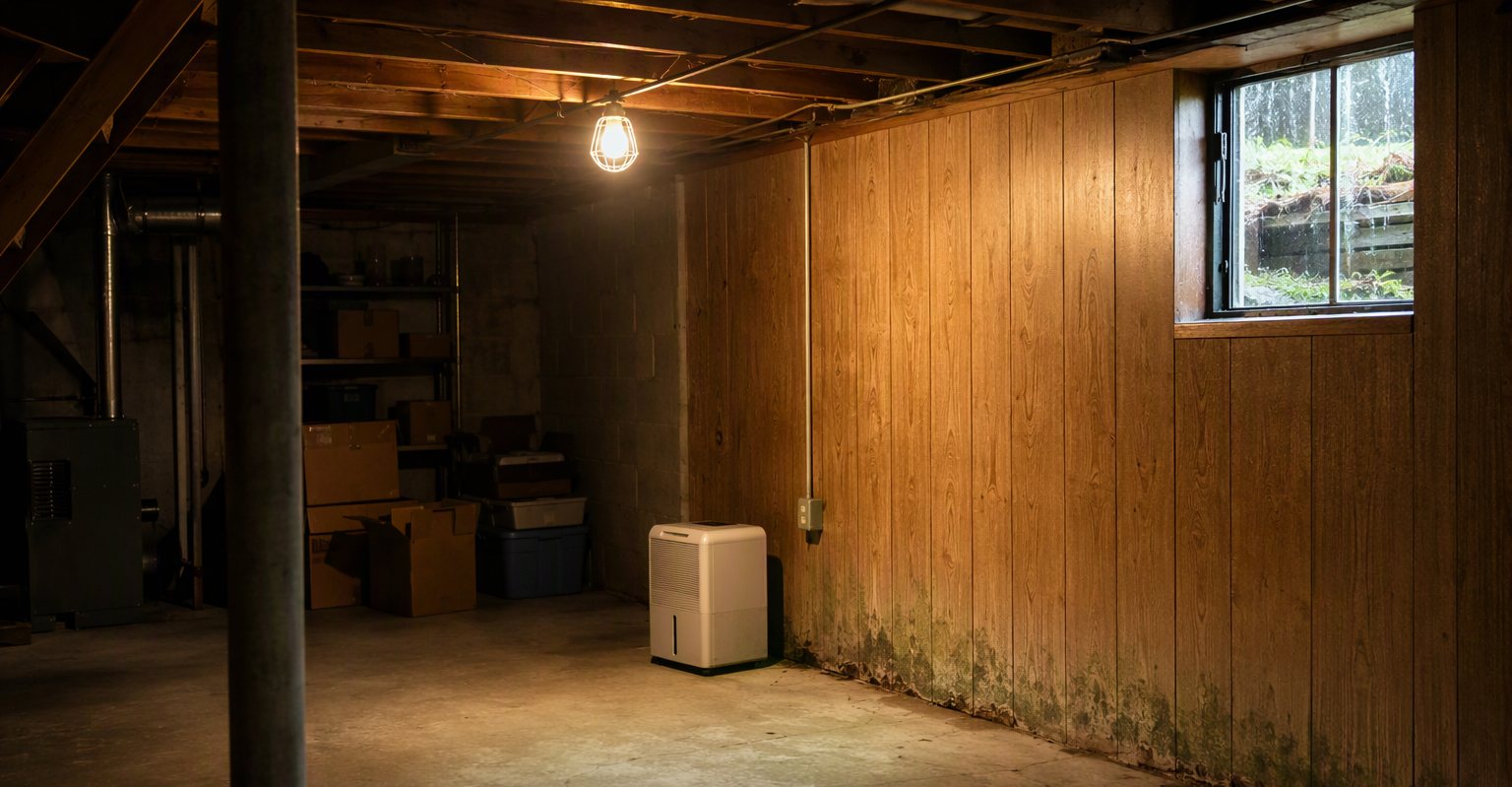
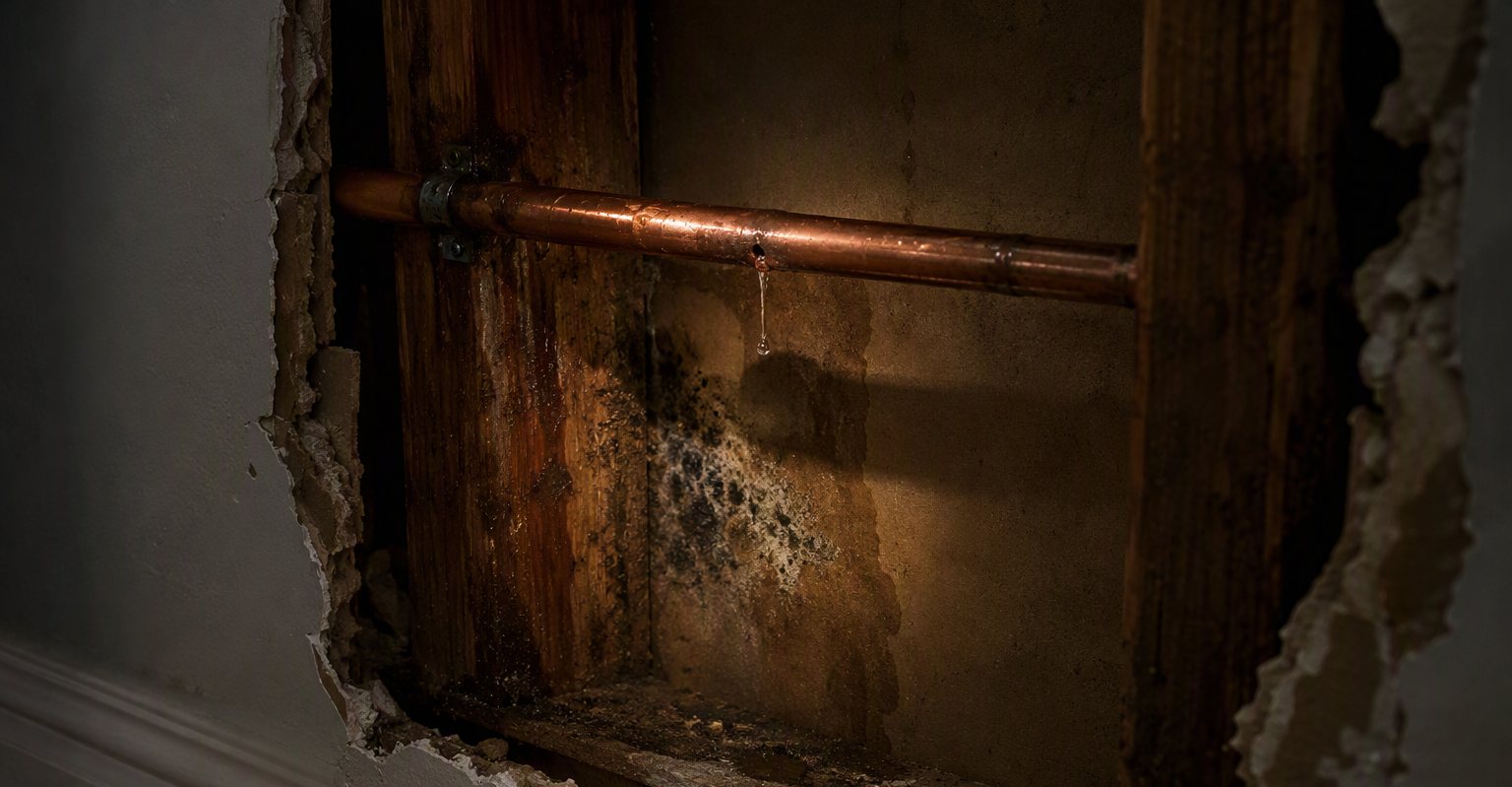
- Location: mildew haunts shower grout, window sills, and damp fabric. Mold claims drywall paper, wood, and anything that stayed wet too long.
- The material underneath: if what’s under the growth is soft, stained, or crumbly, that’s not a surface event.
About the scary phrase
“Black mold” is a color, not a diagnosis. Plenty of dark-colored molds are ordinary household species, and color alone can’t tell you what you have. What actually drives the response is extent and moisture: a dinner-plate patch on a hard surface is a cleaning job; established growth across porous drywall is a contained removal job — whatever its name.
The honest health note: indoor mold can irritate — stuffy noses, scratchy throats, aggravated allergies, especially for sensitive people and kids. That’s a solid reason to remove it properly and fix the moisture feeding it. It is not a reason to panic, and anyone selling panic is selling something.
Not sure which one you’re staring at? Call (330) 541-5225 — describe it, and we’ll tell you what it usually is and what it usually takes.