Stark County’s market moves fast, and the inspection window is short. That’s exactly when a mold question is most stressful — and most manageable, if it’s handled with facts instead of fear. The goal isn’t to find a reason to run; it’s to find out what the house actually needs before it’s yours.
The five spots worth your own flashlight
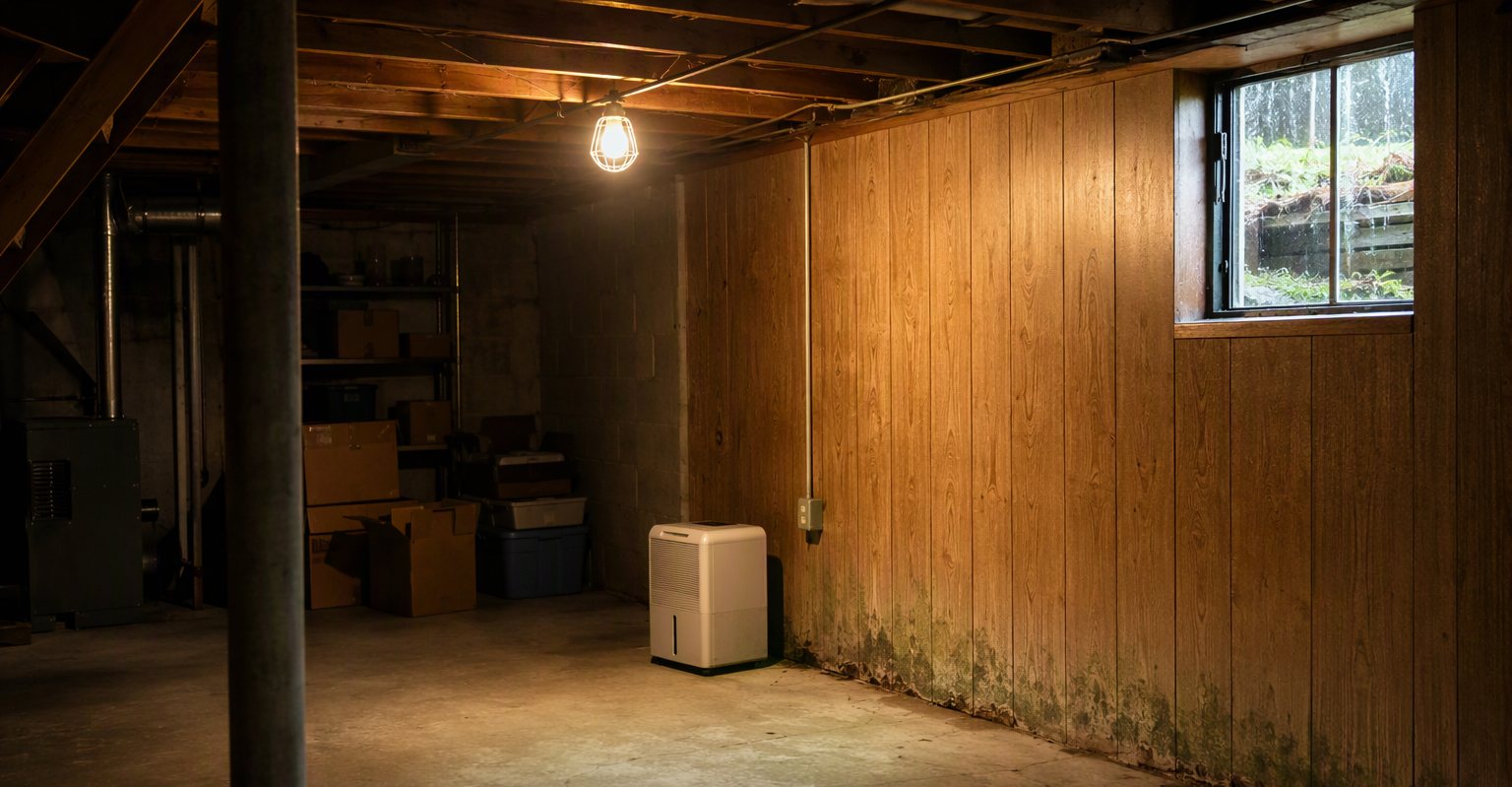
- The sill plate: pull back basement edge insulation and look at the wood atop the foundation — the basement’s truth-teller.
- Under every sink: cabinet floors show old leaks as stains, swelling, and that particle-board crumble.
- Around the water heater and furnace: rust trails and floor staining record every past event.
- The attic deck: phone flashlight on the north-facing sheathing — dark staining there is a winter moisture story.
- Window tracks and sashes: condensation patterns write themselves into the caulk and wood.
What the smell test really means
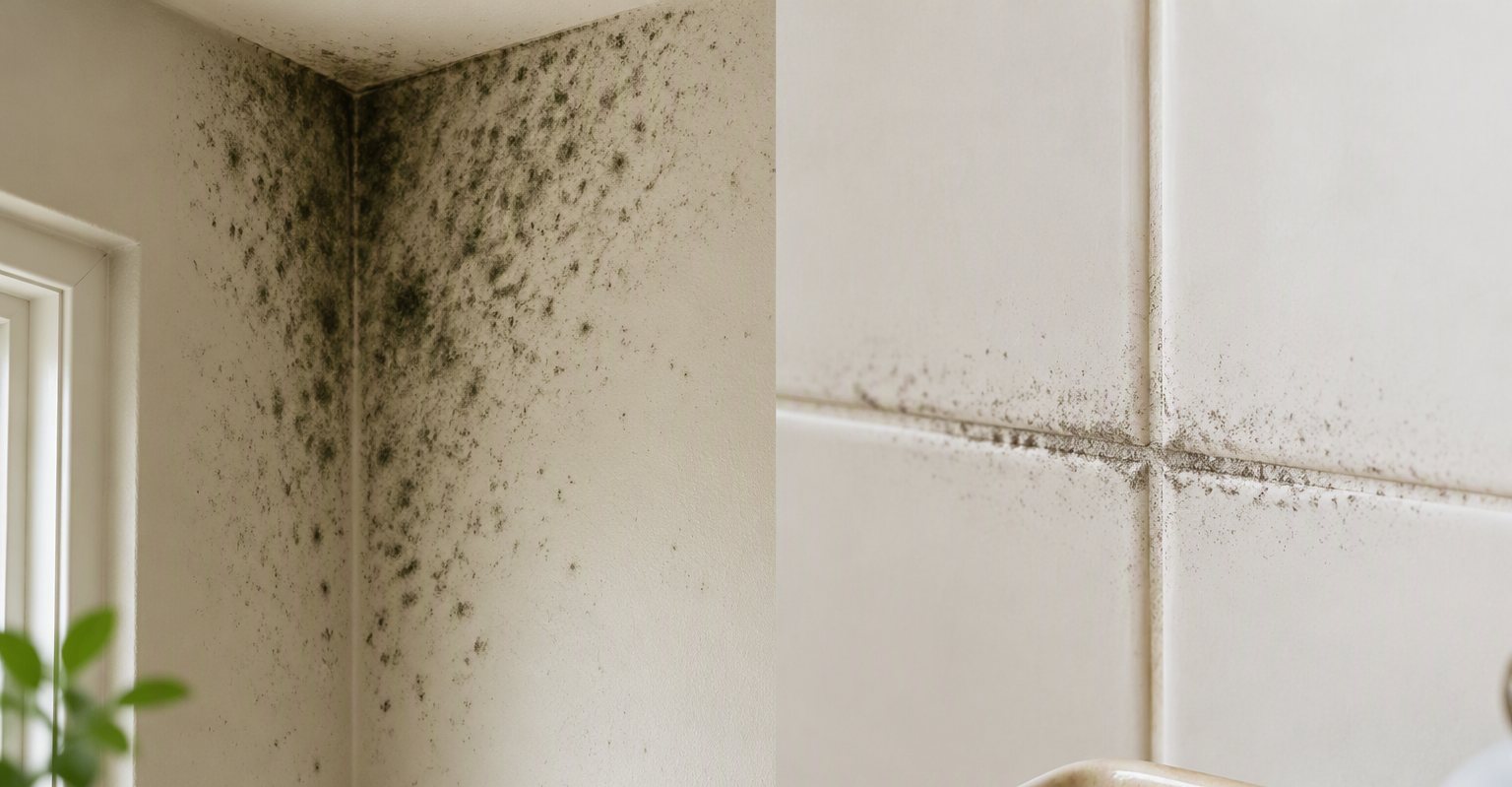
A musty smell on a warm day, in a closed-up house, is information — something, somewhere, is actively growing. It doesn’t mean the house is doomed; it means the source needs finding before closing, while the seller’s side of the table still owns the answer. Candle-scented showings and a basement full of plug-ins deserve a second, slower walk.
Keeping the deal calm
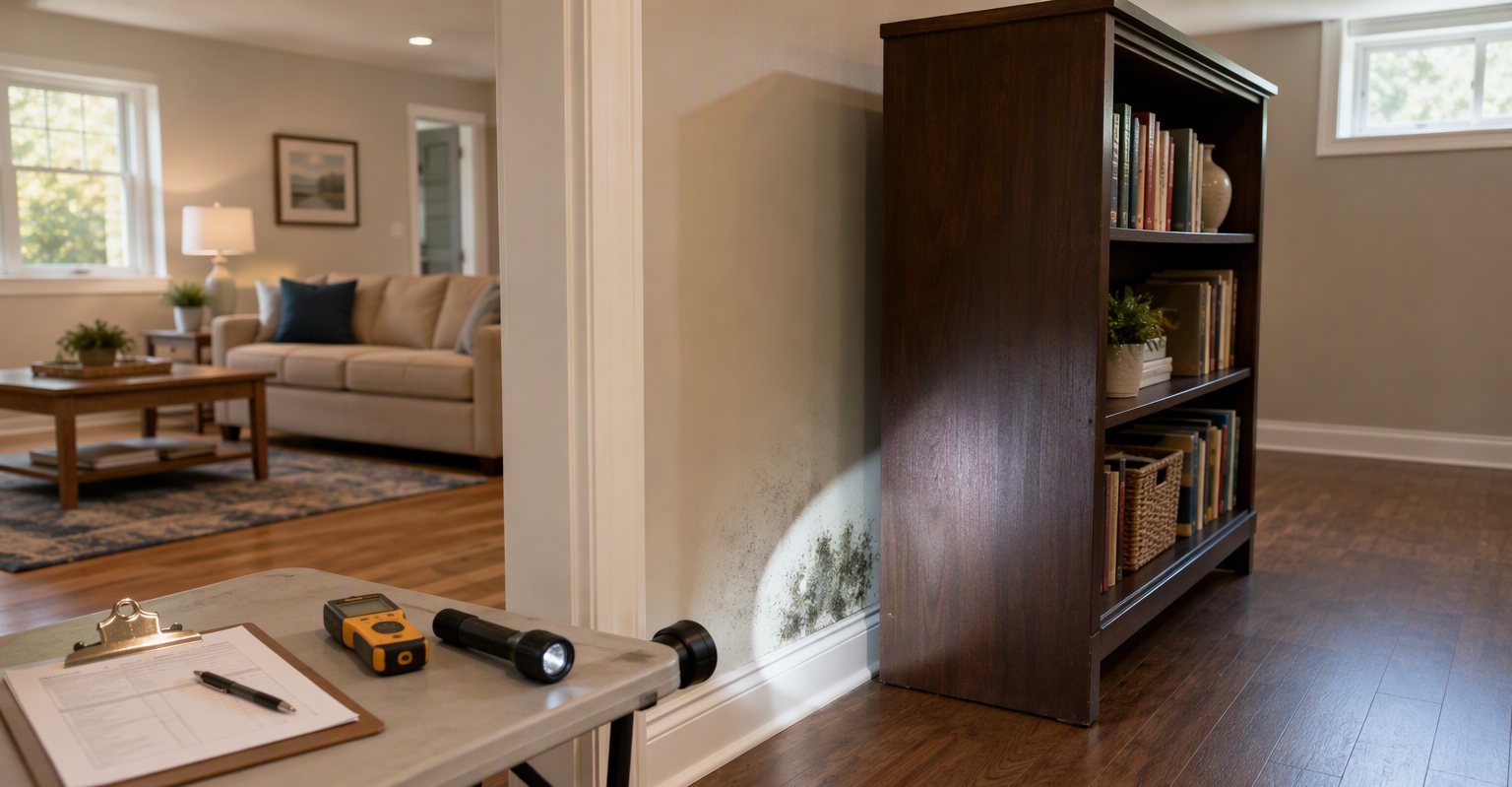
The practical path: a moisture-mapped inspection turns the vague footnote into a defined scope — what’s there, what’s feeding it, what it takes. Most findings land in the modest-and-fixable column, which keeps negotiations factual. The documented report works for everyone: buyer knows what they’re buying, seller knows what they’re fixing or crediting, and nobody argues from a search engine at midnight.
Buying or selling in Stark County? Call (330) 541-5225 — fast scheduling, a plain-words scope, and documentation everyone can work from.